Recent Cyber Attacks & Why They Prove No Industry is Immune

Over the past year, the UK has seen a sharp rise in high-impact cyber attacks – from healthcare to education, it appears no industry is safe. In this article we provide context on some of the most high-profile cyber attacks in the UK seen this year, alongside highlighting the impacts of them and some of the most common weaknesses that cause them. As cyber attacks cement themselves as an integral defensive point in business practice, ensuring that your company is as prepared as possible is integral to cyber security.
The Key Incidents
Automotive / Manufacturing: Jaguar Land Rover
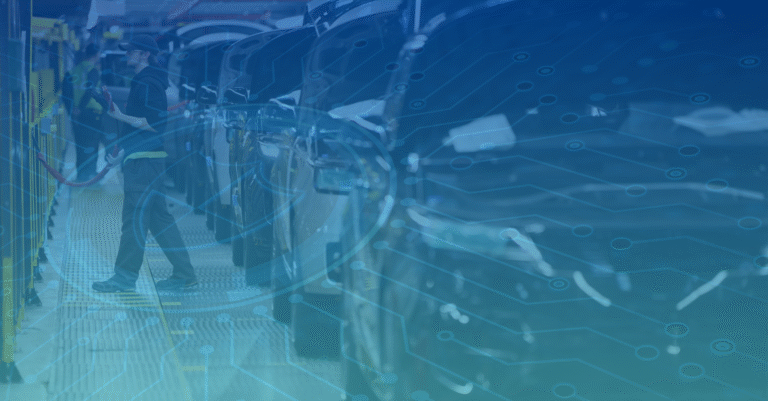
In late August, Jaguar Land Rover (JLR) suffered a severe supply-chain cyberattack. Production of their cars has been halted for over a month now, shutting down their UK sites (Solihull, Wolverhampton and Halewood) and impacting over 130,000 employees.
The worst impacted are the small companies that sell bespoke parts to JLR. They depend on the constant demand of JLR’s car manufacturing. Some of these companies are on the brink of being bust, as they have suddenly lost all of their funding. It was estimated by experts that the attack is costing JLR £50m each week.
The UK government loaned £1.5b to JLR, to ensure that the part suppliers can stay afloat whilst JLR restarts its systems and begins construction again. Government intervention highlights how damaging the attack was.
Retail: Marks & Spencer
In April, Marks & Spencer was forced to suspend online clothing orders, contactless payment & click-and-collect services following a ransomware attack. For a company like M&S, these disruptions are difficult, but not company-threatening. A smaller, more independent company could be financially ruined by an attack like this one.
M&S have stated that they have estimated a loss in profit of around £300m.
Retail: Marks & Spencer
In April, Marks & Spencer was forced to suspend online clothing orders, contactless payment & click-and-collect services following a ransomware attack. For a company like M&S, these disruptions are difficult, but not company-threatening. A smaller, more independent company could be financially ruined by an attack like this one.
M&S have stated that they have estimated a loss in profit of around £300m.
Education: Kido Nurseries
At the end of September, a ransomware attack on the Kido Nurseries group saw personal data of over 8000 children be ransomed for Bitcoin. Given the sensitive data of children being threatened, this attack saw a national outcry on how an attack like this could have happened and how justice needed to be dealt.
It is perhaps the most damning of the high-profile cyber attacks seen this year.
“Cyber criminals will target anyone if they think there is money to be made, and going after those who look after children is a particularly egregious act.” – Jonathon Ellison, NCSC Director for National Resilience
Thankfully, the attack has been called off by the hackers. Experts believe that the high-profile nature of the attack scared the cyber criminals, who didn’t want the publicity that came with an attack like this.
Trends & What They Reveal
These incidents aren’t just isolated; together they highlight several broader trends. Supply chain vulnerabilities are the most common targets for attacks. Both the M&S and Kido Nursery breaches involved third-party service providers. These third parties are harder to regulate and weaknesses that aren’t even the fault of the target company are exploited.
Another key factor is how the impact is much broader than just financial. For JLR’s 130,000 employees, there was stress over whether they would lose their jobs. During the M&S breaches, customers were nervous about their sensitive data being stolen. During the Kido nursery attacks, it wasn’t just the nursery losing money and reputation – it was families, anxious about the privacy of their children. These impacts go far beyond simply transactional. It is people being affected.
Whether your organisation provides services, sells physical goods, educates young people or handles data – you can be a target of cyber attacks. Attackers follow a weak point, not an industry. A single weak supplier, an unpatched system, or an easily spoofed email can give access to systems that can cripple a company, halting production lines or causing millions of pounds of damage.
Preventative Measures Going Forward
To strengthen their defences, UK organisations should start by performing thorough risk and supply-chain assessments to identify weak links and understand how an attack on one partner could affect their operations. Ensuring that these weak links don’t come from weak basic cyber hygiene is vital. Systems and software should be kept up to date, vulnerabilities patched promptly, and multi-factor authentication enforced. These small changes can make a big difference. Ensuring that you have a strong response and recovery plan in place is important too, as sometimes these attacks are truly unavoidable.
AI is the most powerful up and coming tools that if not used correctly, can lead to data breaches. We are hosting a free to attend webinar – Cyber & AI: Building a Secure Public Sector – on the 5th of November from 13:00-14:00. You can register here to hear from leading voices from government, research, and industry for a fast-paced panel exploring how to build a workforce that is both AI-capable and cyber-resilient.
Additionally, next February, you’re invited to join us at The Public Sector Cyber Security Conference, on the 5th of February 2026. It is a free to attend, in-person event happening in Westminster, London. We have got some excellent speakers from the National Cyber Security Centre, NHS England, Government Office for Science and more.